PyNVMe/PyNVMe3 integration
PyNVMe3 is an open, fast, and extensible NVMe SSD test solution. With its rich toolset and flexible Python API, it is widely used for compliance validation, benchmarking, and enterprise-scale testing.

Many of the world’s leading SSD vendors (and also Quarch customers) already utilize PyNVMe3 for their internal testing. PyNVMe3: A fast NVMe SSD test platform
One of PyNVMe3’s key strengths lies in its seamless integration with the Quarch Power Analysis Module (PAM). Within their large-scale test suite—spanning around 1,000 automated test cases—they leverage PAM to provide essential low-level capabilities, including:
- Controlled Power Cycling – precise on/off control of the device under test (DUT)
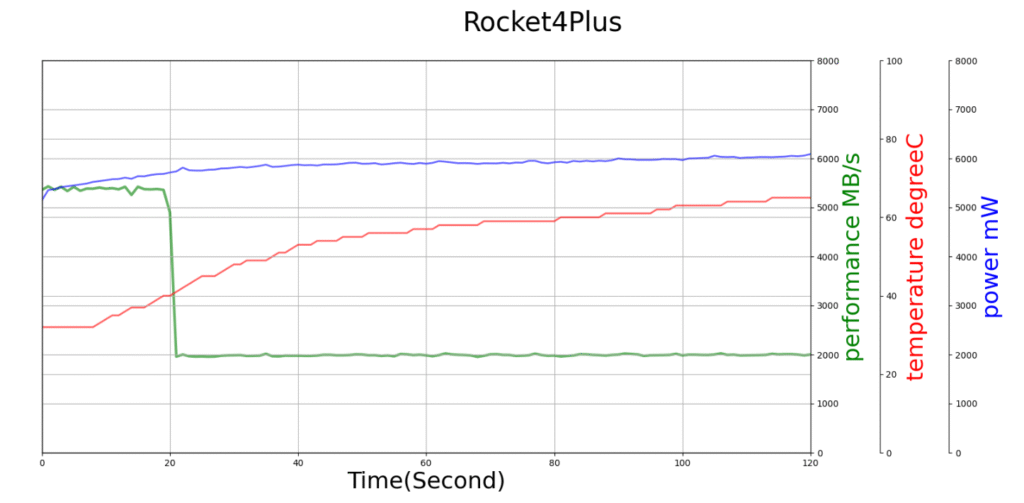
- High-Resolution Power Measurement – detailed tracking of energy consumption across workloads.
- Sideband Signal Monitoring – accurate observation of signals such as CLKREQ#, enabling verification of low-power states like L1.2.

The PAM’s hardware design makes it particularly well-suited for measuring NVMe SSD power consumption in real-world systems, especially on laptops:
- Native M.2 Interposer – enables nearly zero-overhead measurement of SSD power inside a real host system.
- High Sampling Frequency – captures fine-grained fluctuations in power consumption.
- Exceptional Precision – supports ultra-low power measurements in the range of 3 mW, essential for deep idle and low-power states.
- Sideband Capture – verifies state transitions by monitoring signals such as CLKREQ#, confirming entry into advanced power-saving modes.