
Quarch Leads Gen6 Innovation in Scotland and the UK
As Gen6 PCIe stormed onto the data center stage, Quarch Technology emerged as a clear leader in the UK. With a full Gen6 toolset designed to qualify early devices, automate testing, and illuminate power dynamics at unprecedented speeds, Quarch is redefining how enterprises validate the next generation of AI hardware.
Quarch’s Gen6 portfolio is a standout in the Product Innovation category for the ScotlandIS Digital Tech Awards 2026. Quarch has been shortlisted in this category. The product portfolio, a holistic Gen6 test ecosystem, is not a single product but a complete range of tools that address many critical testing needs for Gen6 PCIe interfaces:
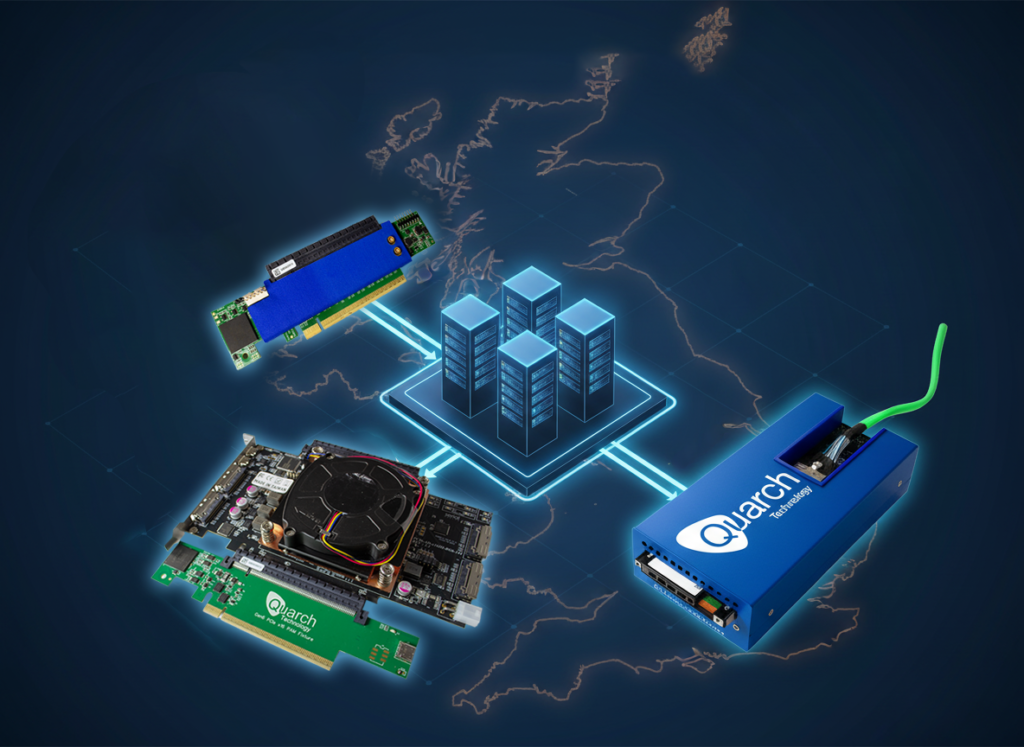
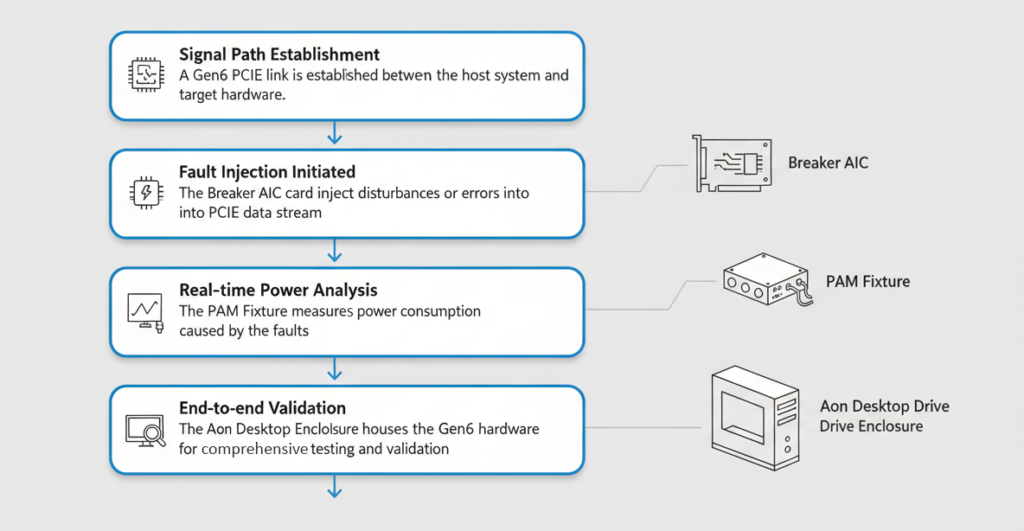
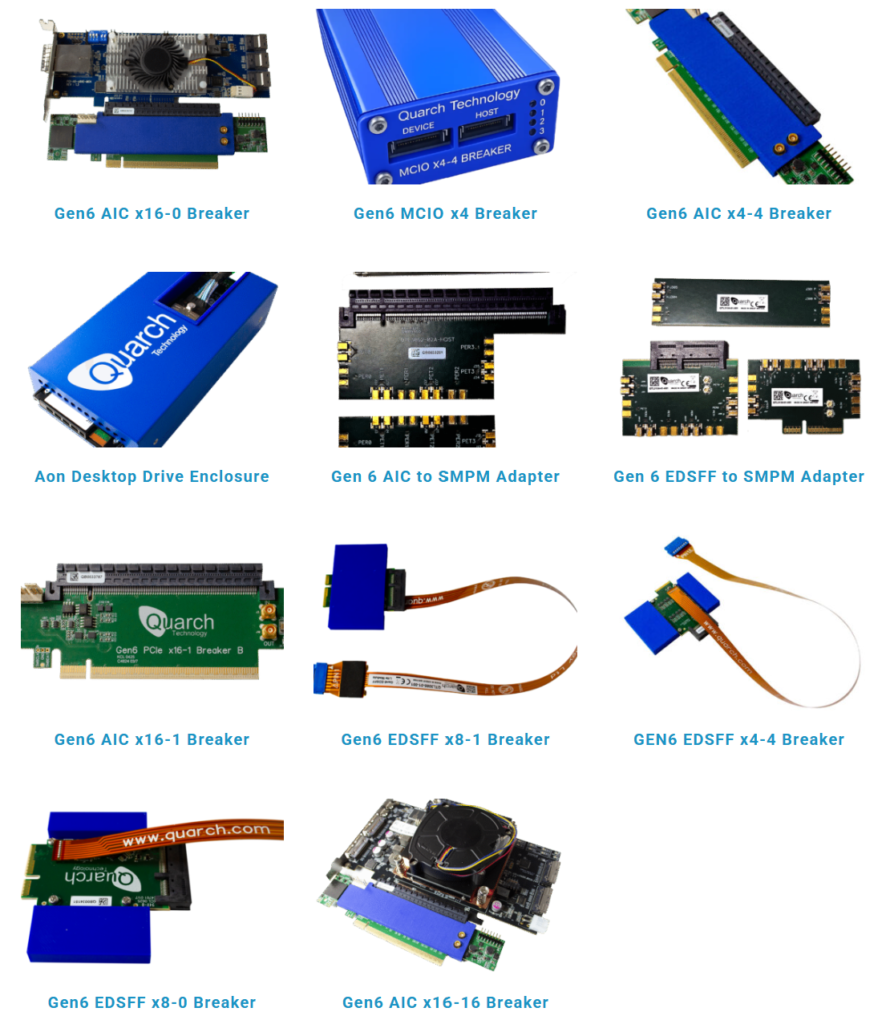
Breakers AIC x16-breaker module that sits between the server and device (AI accelerators, high-speed SSDs, etc.) and enables automated, per-pin control for hot-plug testing and fault injection. This enables you to inject specific faults or scenarios and observe their impact in real time.
PAM Fixture Gen6 PCIe x16 Power Analysis Module, which measures power at 250,000 samples per second while simultaneously capturing PCIe sideband signals for deep debugging. Automated data capture accelerates overnight test regimes and lets engineers see power spikes in real time, enabling energy-efficient tuning.
Aon Desktop Drive Enclosure The first integrated solution that combines breakage fault/injection with power analysis, allowing precise correlation between faults and power dynamics during testing. This consolidation is a game changer for rapid, end-to-end validation.
Why Gen6 matters
Gen6 represents a new standard for data center hardware, with silicon prototypes arriving in 2025 and mass adoption on the horizon. The testing challenge is immense: high-speed signals are fragile, test equipment must coexist with the signal path, and the cost of late-bug fixes scales dramatically. Quarch’s Gen6 tools were developed to automate and repeat tests, reduce costs, and improve the reliability of enterprise-grade AI hardware from day one.
Quarch wins ScotlandIS Product Innovation award 2026

How Quarch did it
Focused R&D and collaborative validation: Quarch invested more than a year in fundamental R&D, starting with electromagnetic simulations and pushing into cutting-edge test equipment, including a 60GHz Vector Network Analyser (VNA). Prototyping progressed through several iterations to preserve signal integrity. Collaboration with industry-leading data center and AI players helped validate the tools against real early prototypes, ensuring relevance and reliability in a field where margins for error are slim.
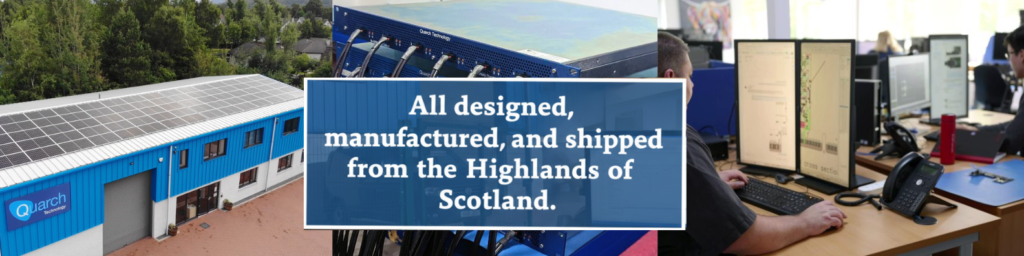
Early traction and growing impact—Even with Gen5 and Gen4 devices still dominating early deployments, Quarch has already shipped a record number of Gen6 test equipment in the last 12 months. All designed, manufactured, and shipped from Aviemore, Scotland. This early momentum translates into new customers, ongoing orders from existing clients, and a clear roadmap for broader enterprise validation as Gen6 ramps.
Global reach from Scotland
Quarch’s Gen6 solutions are already supporting customers around the world, with a growing footprint in the USA, India, Taiwan, Canada, Korea, China, and more. The precision and compact form factor of Quarch’s devices help maintain signal integrity in demanding environments, making it possible for leading tech companies to validate AI hardware with confidence.
Why Quarch stands out as an innovative disruptor
Quarch isn’t merely iterating on existing test approaches; it is innovating at the core of how Gen6 hardware is validated. The ability to place compact, high-quality test devices into a Gen6 signal path without degrading performance, plus the integration of fault injection and power analysis in a single ecosystem, represents a significant leap forward. The Gen6 drive enclosure further opens new markets for SSD manufacturers seeking an all-in-one testing solution.
From fault injection to power analysis
What’s next?
With Gen6 adoption accelerating, Quarch will continue expanding its Gen6 toolset, strengthening collaborations with data center and AI ecosystem partners, and driving deeper validation capabilities for AI workloads. The focus remains on delivering robust, scalable solutions that help enterprises bring Gen6-based AI products to market faster and more reliably.

Denise Rooney